
Intro
Project Objective
Project Scope
- Planning, management, monitoring and coordination of the construction phase under CDM 2015
- A full site management and health and safety team
- A Permit to Work (PTW) system controlling hot works, confined space entry, lifting operations, electrical isolations and work at height
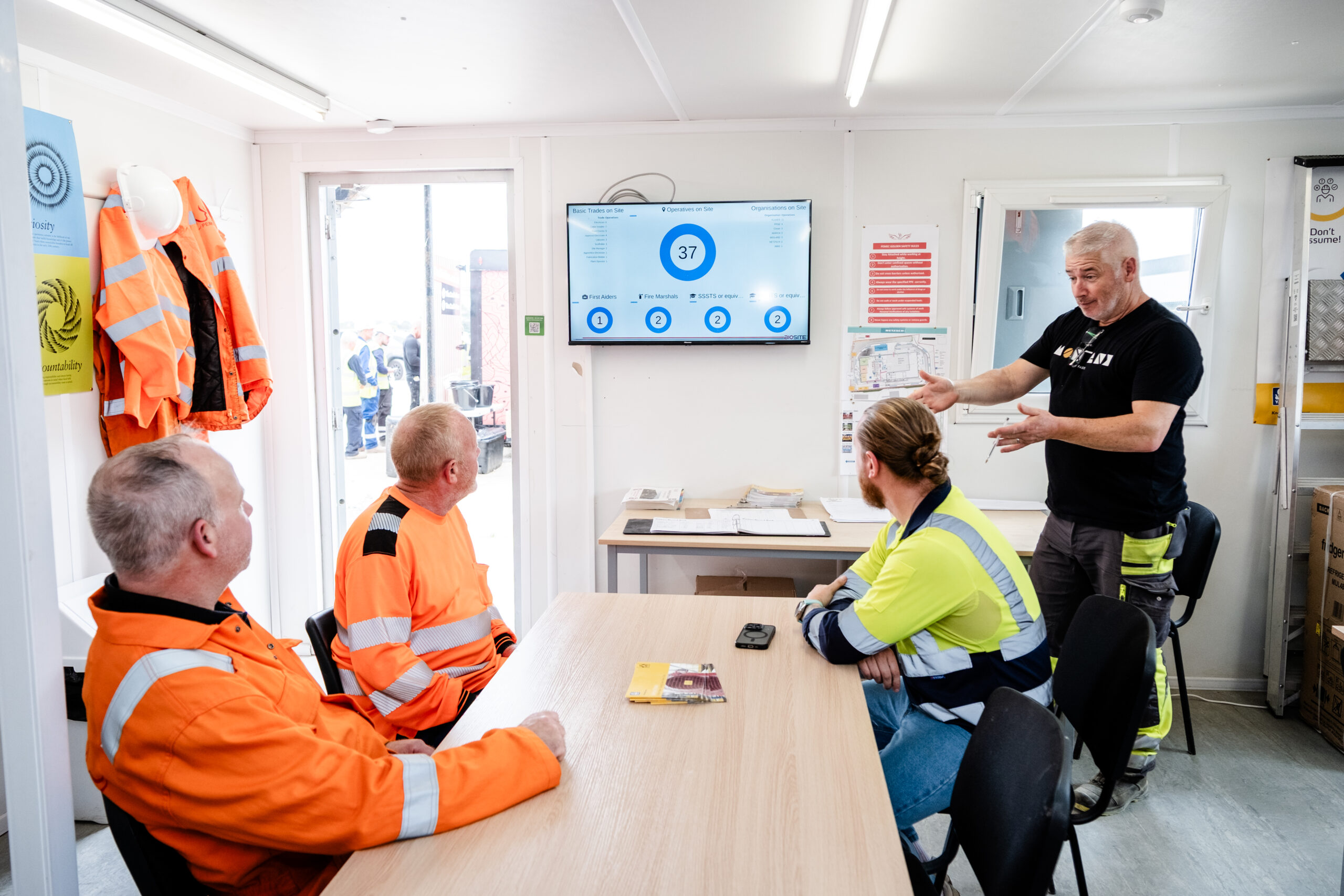
- Coordination of multiple contractors, with workforce numbers peaking at approximately 230 personnel on site
- Regular inspections and continuous monitoring of high-risk activities
- Management of the transition from construction into commissioning
Approach and delivery
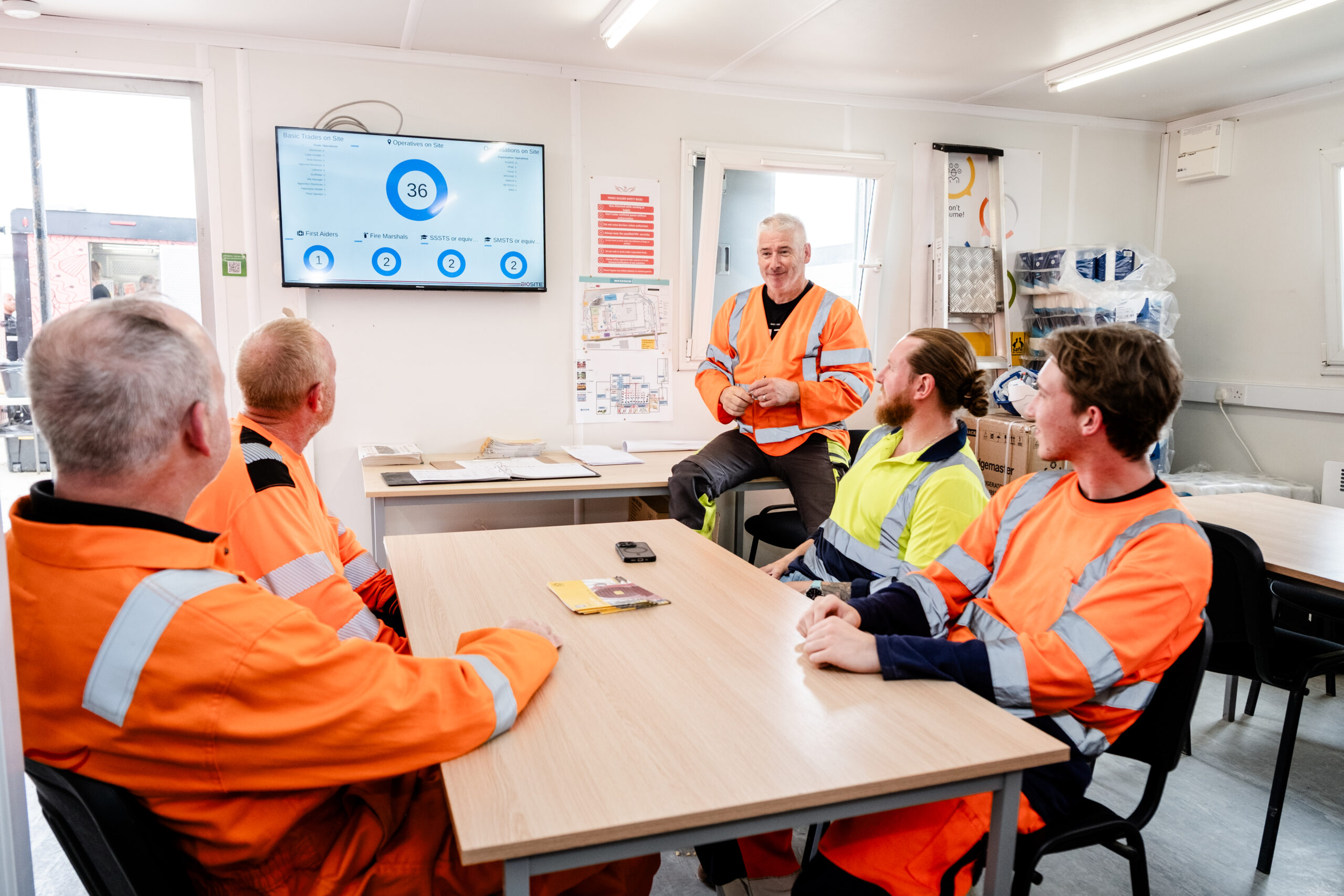
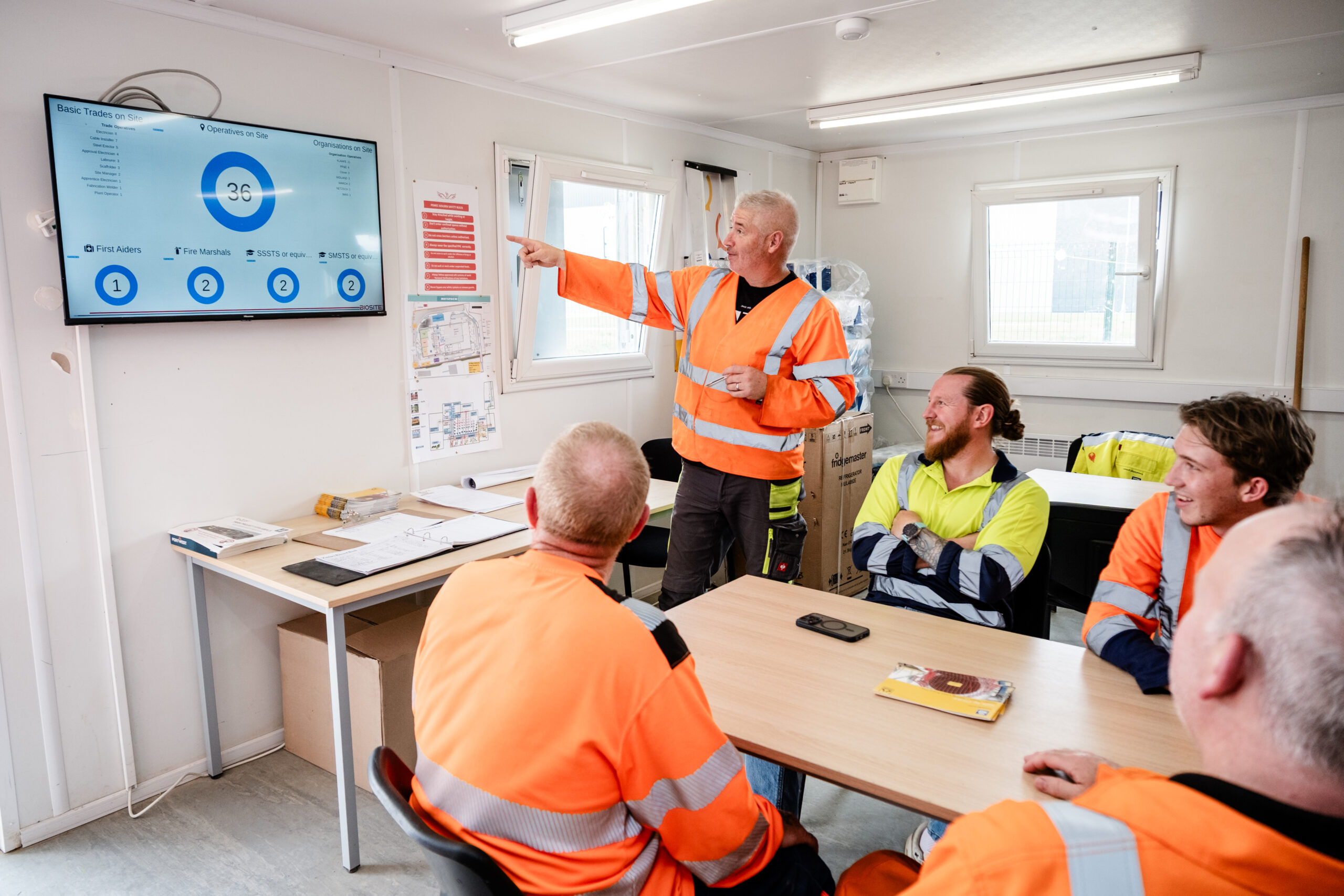
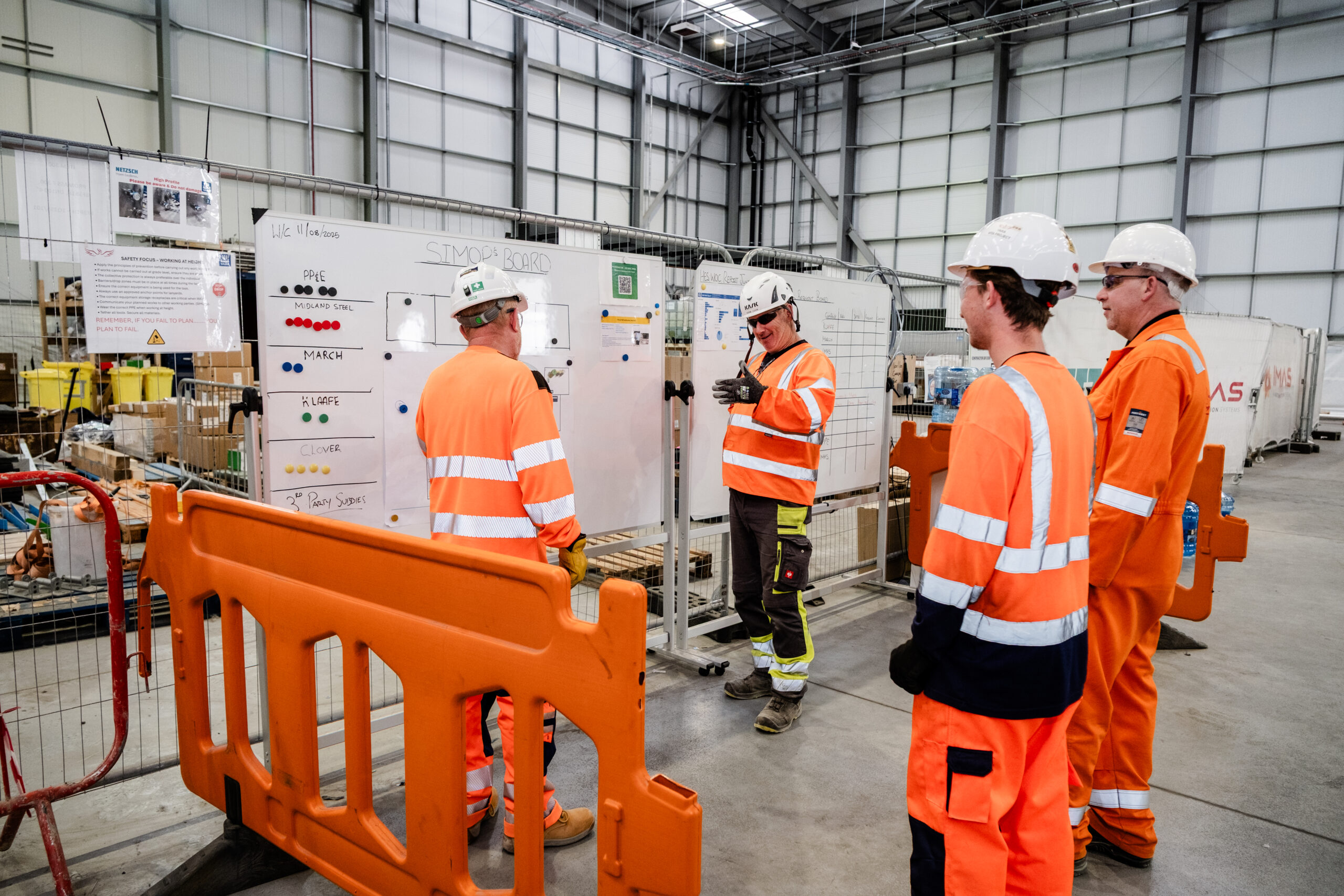
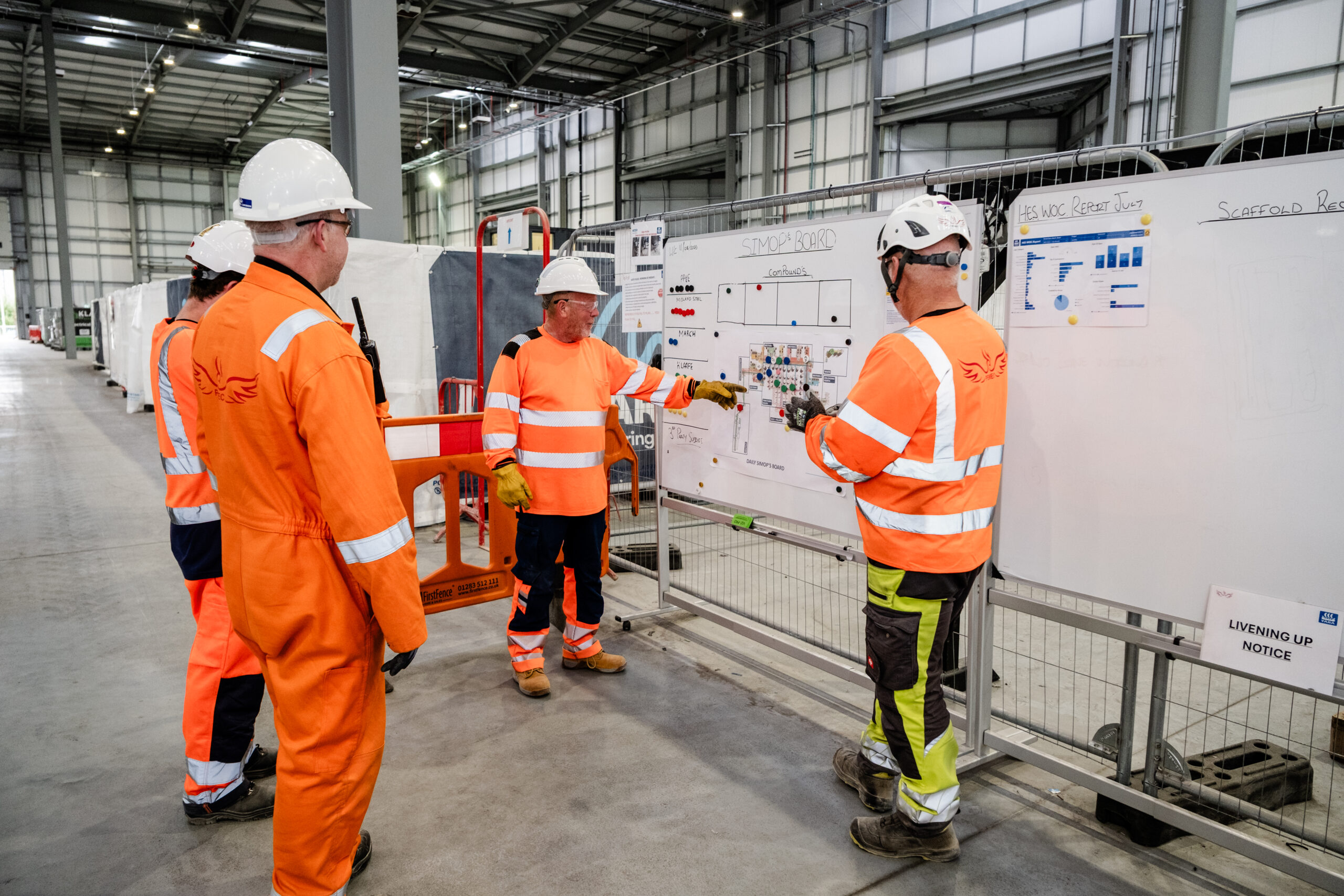
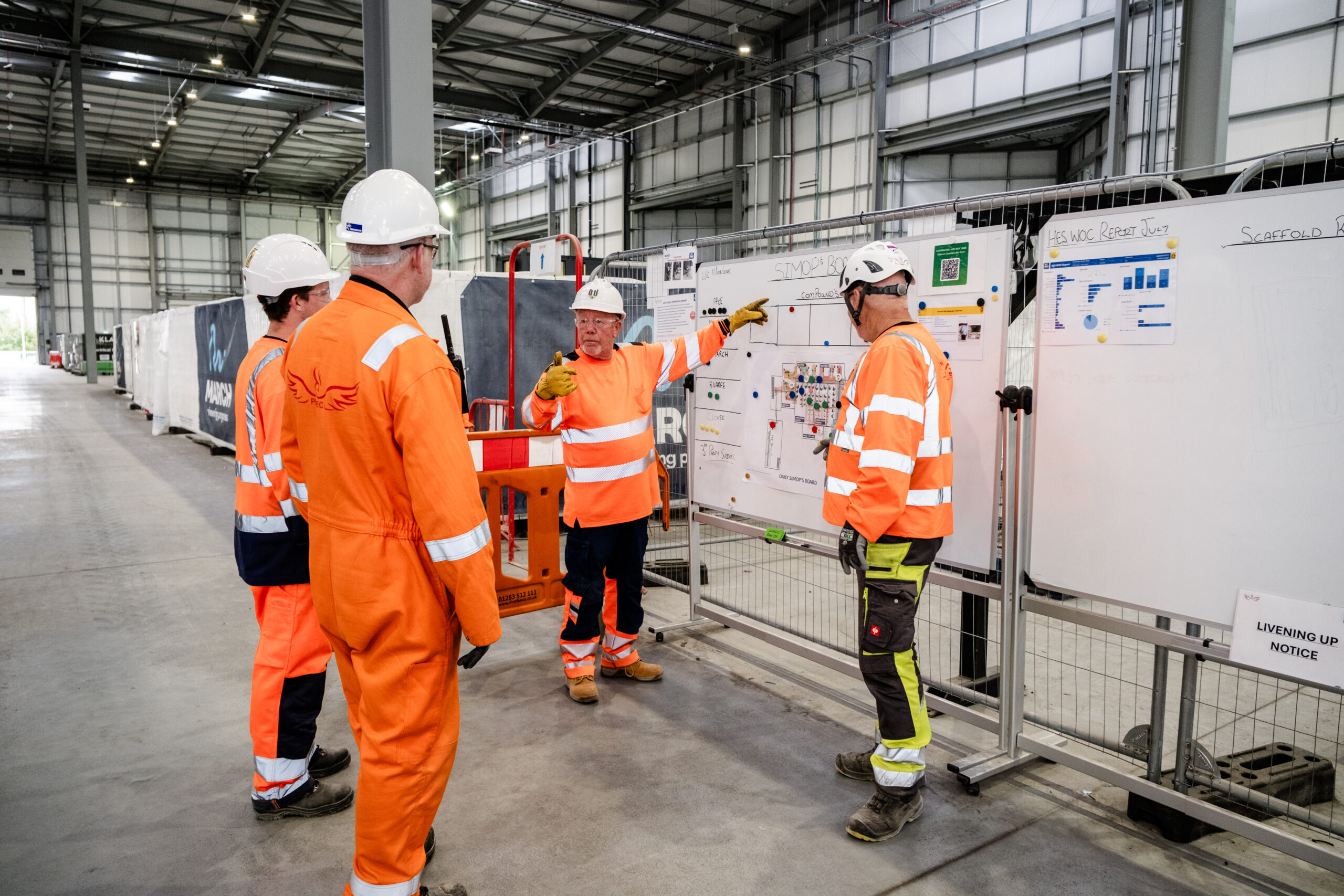
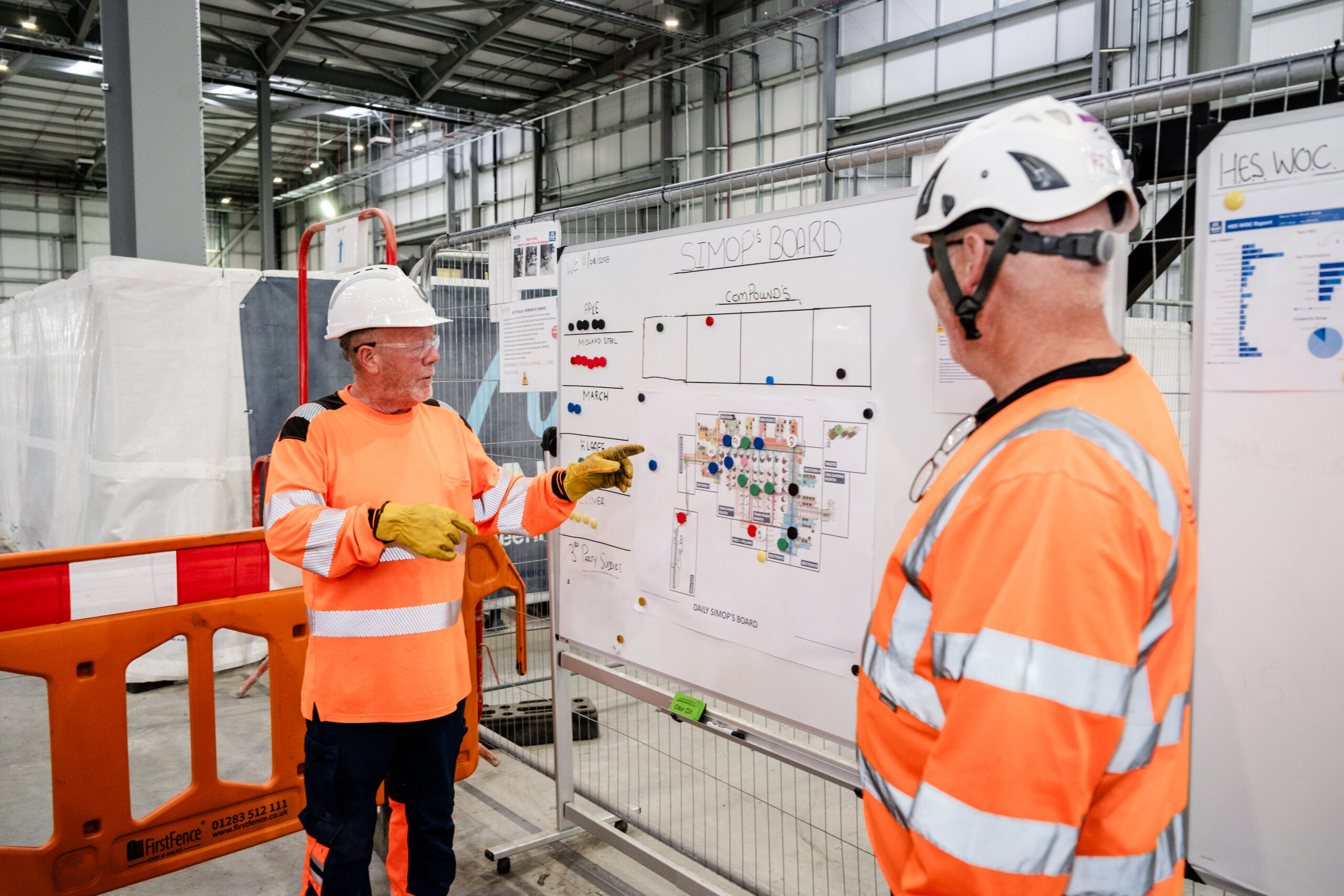
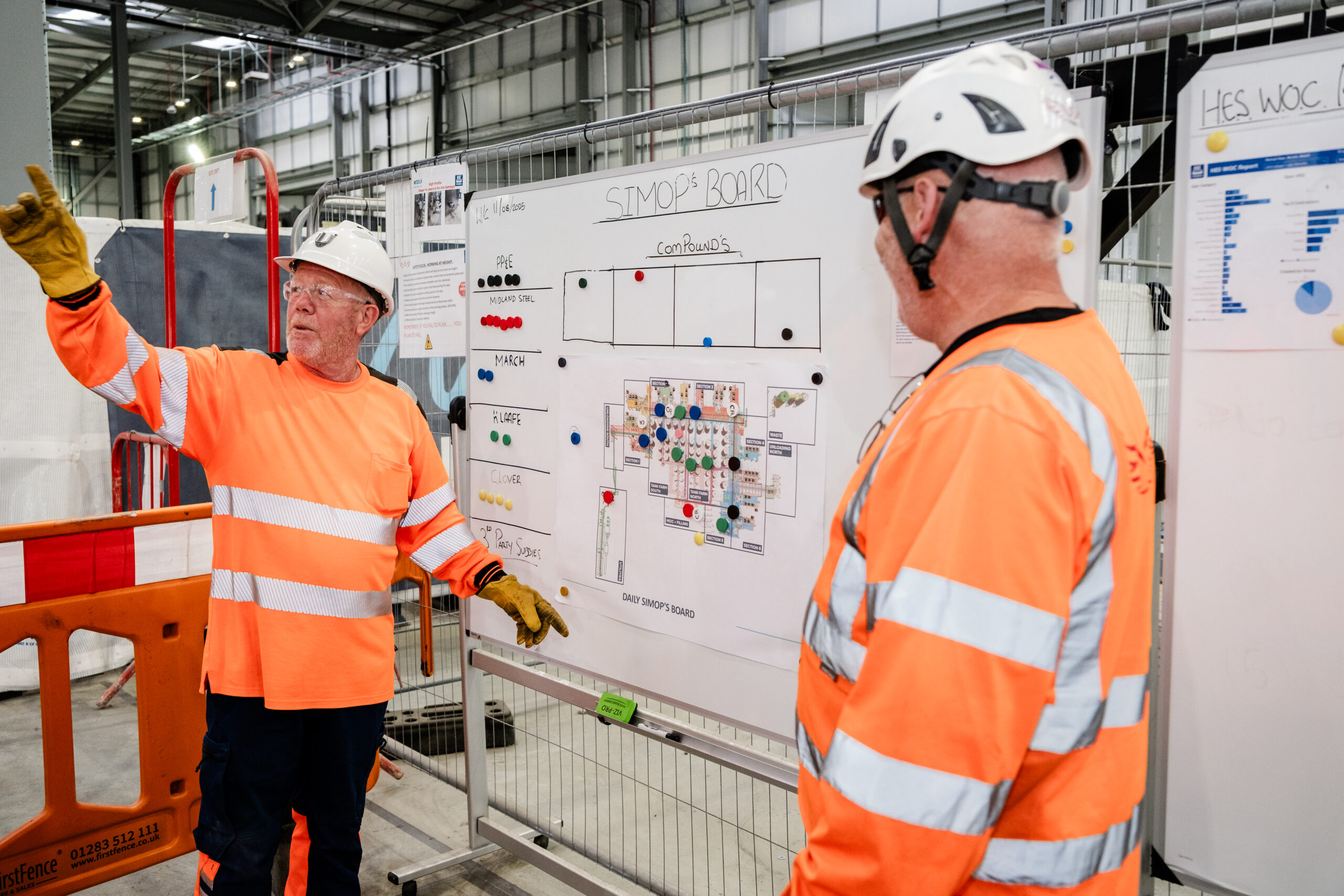
Construction took place within a small site footprint, with multiple contractors working in close proximity. This increased the potential for interface issues and required enhanced controls for simultaneous operations (SIMOPS). A daily SIMOPS coordination meeting involving all supervisors, the Site Manager, the Permit to Work Coordinator and other key stakeholders was used to review the day's planned activities, identify potential work conflicts, coordinate resources and put additional control measures in place before work started. Work sequencing, zoning of work areas and the PTW system were also used to prevent conflicting activities.
The project involved numerous complex and safety-critical lifting operations. Many lifts were carried out under detailed lift plans and engineering assessments, with competent Appointed Persons, crane supervisors and lifting teams. Lift locations, exclusion zones, ground conditions, nearby structures and interaction with other site activities were all considered before work started.
As the project grew, the site management team expanded from four to eight people, including the Site Manager, Permit to Work Coordinator, Health & Safety Manager and other key supervisory personnel. This strengthened site supervision, contractor coordination, compliance monitoring and communication across all work activities.
The move into commissioning brings a different risk profile, with live systems, energisation, testing and operational interfaces increasing. Additional controls include enhanced permit requirements, stricter isolation and Lock Out Tag Out (LOTO) procedures, SIMOPS coordination, closer collaboration with the client and commissioning teams, increased supervision of testing activities and revised emergency arrangements.
The project has achieved over 700,000 accident-free hours while coordinating a workforce of up to approximately 230 contractors on site, with a 95%+ compliance rate in CDM audits.
Lessons learned
Recommendations for future projects
• Continue implementing daily SIMOPS meetings throughout the project lifecycle, particularly where multiple contractors are working within a restricted footprint
• Involve the Permit to Work Coordinator in the planning process so permits align with the planned sequence of works and interfaces between contractors are identified early
• Plan complex lifting operations well in advance, allowing sufficient time for lift planning, engineering reviews and coordination with other site activities
• Grow the site management team in line with the project's complexity and workforce size, maintaining effective supervision and contractor engagement as the project develops
• Review risk assessments and control measures at each key project stage, particularly when transitioning from construction to commissioning
• Maintain strong communication through daily briefings, toolbox talks and regular engagement with contractors to reinforce expectations and promote a positive safety culture